




Source: facilitiesnet.com

Solar energy is a hot topic within the buildings and construction industries and will continue to grow in the coming years. This topic's popularity creates a demand for understanding solar power purchase agreements within the context of commercial projects, and it warrants nuanced considerations for commercial property and construction business owners.
قرارداد خرید انرژی خورشیدی (PPA) چیست؟
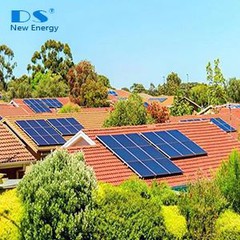
قرارداد خرید انرژی خورشیدی (SPPA) که به عنوان قرارداد خرید انرژی خورشیدی (SEPA) نیز شناخته میشود، ترتیبی است بین یک تأسیسات تجاری یا دارایی که به عنوان میزبان نامیده میشود و یک ارائهدهنده خدمات خورشیدی، که در آن میزبان موافقت میکند از یک سیستم فتوولتائیک (PV) ارائه دهنده خدمات خورشیدی. این سیستم در ازای استفاده از انرژی تولید شده توسط سیستم PV، نور خورشید را توسط پنل های خورشیدی نصب شده بر روی سقف یا ملک میزبان به انرژی الکتریکی تبدیل می کند. در این سناریو، میزبان کسبوکارها، سازمانهای دولتی و مؤسسات آموزشی هستند که از برق خورشیدی استفاده میکنند و هزینههای اولیه برای هر SPPA ندارند.
An SPPA is a performance-based arrangement where the host pays the solar service provider for the energy produced by its system, which is installed on the host's property. The solar service provider purchases the solar panels and all other required equipment for the project from a PV manufacturer. Typically, the PV manufacturer provides warranties for the solar equipment, provided it is installed properly. The solar service provider will either self-perform or subcontract the design and installation of the PV system, and they are responsible to specify the appropriate system components and arrange for follow-up maintenance over the life of the PV system.
ارائهدهنده خدمات خورشیدی بهعنوان هماهنگکننده پروژه عمل میکند که ممکن است تأمین مالی، طراحی، صدور مجوز و ساخت سیستم PV را ترتیب دهد. بسیاری از ارائه دهندگان خدمات خورشیدی سرمایه گذاران یا توسعه دهندگان خارجی دارند که تامین مالی سهام را ارائه می کنند که مزایای مالیاتی فدرال و ایالتی را برای سیستم دریافت می کنند. به این ترتیب می توان مزایای SPPA را بدون هیچ هزینه ای برای میزبان ارائه کرد. ممکن است مواردی وجود داشته باشد که سرمایه گذار و ارائه دهنده خدمات خورشیدی یک نهاد با هدف ویژه (SPE) تشکیل دهند. این به پروژه اجازه می دهد تا به عنوان شخصیت حقوقی ای عمل کند که از مزایای مالیاتی و فروش خروجی سیستم، پرداخت ها را به سرمایه گذاران دریافت و توزیع می کند. SPPA باید نحوه سازماندهی و عملکرد ارائه دهنده خدمات خورشیدی را در رابطه با سیستم میزبان توضیح دهد.
به طور کلی، ابزار محلی مسئول سرویس دهی به میزبان است. آنها همچنین رابط بین سیستم PV و شبکه هستند و به ارائه خدمات برق با میزبان ادامه می دهند. این کار برای پوشش دوره هایی انجام می شود که سیستم کمتر از نیاز برق میزبان تولید می کند. برخی از ایالت ها دارای اندازه گیری خالص هستند که به عنوان اندازه گیری انرژی خالص (NEM) نیز شناخته می شود، که به میزبان اجازه می دهد انرژی را در شبکه برق ذخیره کند. اگر سیستم PV بیش از نیاز برق تولید کند، NEM ضروری است. اگر سیستم PV بیش از نیاز برق تولید کند، انرژی اضافی را می توان در ازای دریافت اعتبار از تاسیسات محلی به شبکه ارسال کرد. این اعتبارات را می توان در مواقعی استفاده کرد که پنل های خورشیدی میزبان تولید ناکافی است، مانند شب، و میزبان می تواند از انرژی ذخیره شده از شبکه در آن زمان، بدون هیچ هزینه ای استفاده کند، نه اینکه بر اساس اعتبارات انباشته شده، هزینه برق را بپردازد.
Most states have some mandatory net metering requirements, including a cap as to the amount that can be kept, while other states allow the utility to provide a credit for excess electricity generated from the PV system. Some SPPAs provide for the solar service provider to receive all credits.
SPPA ها شامل چندین بازیگر کلیدی مختلف در قرارداد می شوند. مدت زمان اکثر SPPA ها، در زمینه تجاری، معمولاً بین 15 تا 20 سال است. مدت قرارداد معمولاً بین طرفین مذاکره می شود.
Commercial Considerations for an SPPA
There are several benefits a host receives when taking part in an SPPA. First, by using renewable energy, many hosts can make a difference for the environment and be a part of helpful sustainable business practices. Second, there are generally no upfront costs involved in entering into an SPPA. Third, the SPPA hopefully allows a host to lock in low energy costs, but just know there may be an annual price escalator between 1 to 5 percent to account for system efficiency. Currently, system efficiency is known to decrease as the system ages due to cell and battery memory, but technology is improving system efficiency. Lastly, some SPPAs will include a buyout option that will allow the host to buy the system before the end of the SPPA.
میزبان همچنین باید خطرات زیر مرتبط با SPPA را در نظر بگیرد.
1. Under an SPPA, a host is generally required to purchase the power produced at a pre-specified rate. If rates decrease, it is possible that a host can be locked into paying too much for the solar energy.
2. Consider if as an Owner you potentially pay less and save more by purchasing your own solar system with a cash purchase or capital improvement loan and receive the tax credits. This of course requires the host to have the capital necessary to accomplish the same and still enter into a contract for the systems installation, and a long-term service agreement with a contractor for maintenance.
3. یک میزبان باید حق ارتفاق یا مجوزی را برای ارائه دهنده خدمات خورشیدی اعطا کند تا بتواند به نصب و نگهداری سیستم PV در یک ساختمان یا ملک دسترسی داشته باشد. میزبان همچنین باید نحوه اجازه دسترسی به ساختمان یا ملک خود را در حالی که سایت را ایمن نگه دارد، تعیین کند. آسیب به یک دارایی از طریق نصب و نگهداری از ملاحظات است، اگرچه یک{1}}SPPA خوب نوشته شده این خطرات را تخصیص می دهد.
4. Any contract is only as good as the solar service provider with whom an owner is contracting. Under an SPPA, a building or property owner or manager has no ownership or control over the solar equipment. Because of this, the host is reliant on the solar services provider to repair and maintain the system, which can be frustrating if the system is not being properly maintained. If there are issues with the PV system, the solar service provider is likely contracted to pay for the operation and maintenance costs. It is important to make sure the solar services provider is reputable, financially sound and will be around for twenty years and beyond. As a commercial building or property host, consider in an SPPA what happens if the solar services provider is acquired by another company, goes bankrupt, or simply closes the doors.
This list of considerations is not exhaustive. This list is merely for educational purposes only and is not legal advice.
While there are always various factors worth discerning for any type of agreement between parties, an SPPA may be a great option for a host for the reasons stated above. However, there are also benefits for a host to have control over its own PV system and receive the tax benefits for the PV system. If you are a commercial owner interested in exploring an SPPA, consult with an attorney that understands the intricacies of an SPPA and make sure your risks and rewards are properly allocated and accounted.
Matthew E. Cox, partner, and Raziye Andican, associate, are attorneys with اسمیت، کوری هنکوک LLP، به ترتیب در دفاتر شرکت کلمبیا، کارولینای جنوبی، و تایسون، ویرجینیا، دفاتر شرکت.


